

Views: 0 Author: Site Editor Publish Time: 2026-03-19 Origin: Site


If the wrong pipe insulation material is chosen:The design specified 0.035 (W/m·K), but the supplied rock wool is 0.045 (W/m·K)—a 30% difference.
Over one year, this 300-meter pipeline incurred an extra energy cost of 80,000 RMB.
When it comes to insulation material selection,a small discrepancy leads to a huge loss.These three parameters must be consistent:thermal conductivity, operating temperature, and price.
Today I’ve compiled the parameters of common insulation materials into a table.Save it for direct reference during selection.
I. Quick Reference Table of Insulation Material Performance
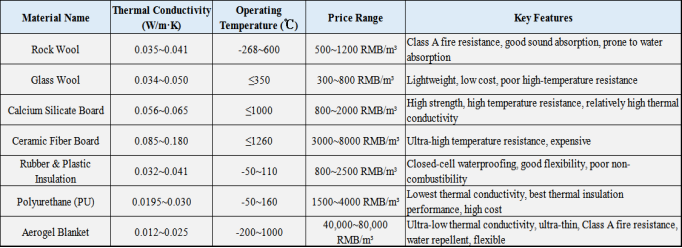
Thermal conductivity is directly proportional to heat loss.
II. Detailed Explanation of Common Insulation Materials

Rock wool is a fibrous insulation material made from natural rocks such as basalt as the main raw material, processed through high-temperature melting and centrifugal fiber formation.
· Thermal Conductivity: 0.035~0.041 W/m·K (at room temperature)
· Operating Temperature: Up to 600℃. Ordinary rock wool pipe shells are suitable for working conditions ranging from -268℃ to 350℃.
· Loose wool / Board: 500~1200 RMB/m³ (varies by density and brand)
· Pipe shell: 800~1500 RMB/m³
Why is there a nearly 100% price difference?
· Density: Products with a density of 80kg/m³ are more expensive than those of 40kg/m³.
· Form: Pipe shells are priced higher than flat boards.
· Class A fire resistance, excellent sound absorption performance.
· Open-cell structure makes it prone to water absorption, which may cause an increase in thermal conductivity after long-term use.
Industrial pipeline insulation, boiler body insulation, and building exterior wall insulation.
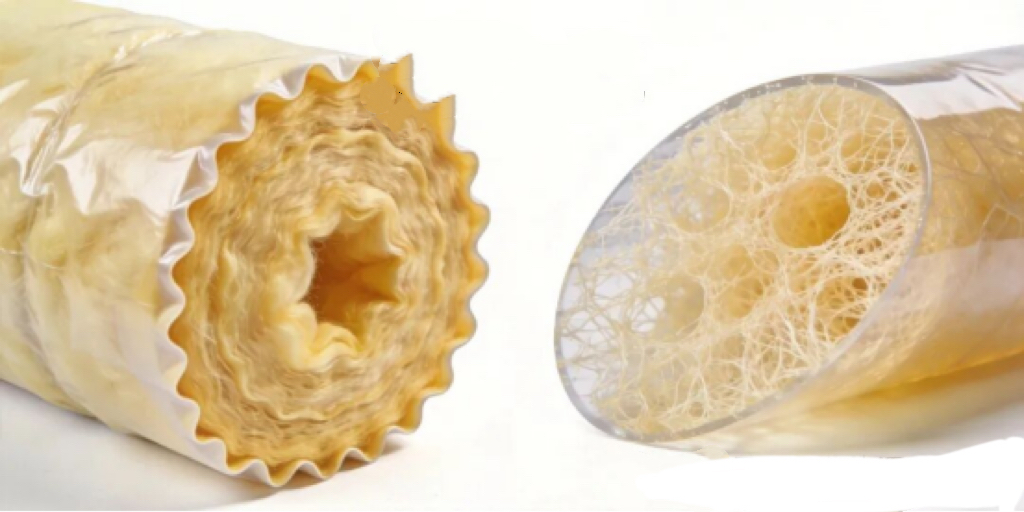
Glass wool is an artificial inorganic fiber produced by melting glass and adopting centrifugal blowing technology.
· Thermal Conductivity: 0.034~0.050 W/m·K (at 25℃, compliant with GB/T 13350-2017)
· Operating Temperature: ≤350℃. The thermal shrinkage temperature under load shall be no less than 250℃.
Price Range: 300~800 RMB/m³
Features:Light weight with the lowest cost, but poor high-temperature resistance. It also has the problem of water absorption.
Application Scenarios:Building insulation, air conditioning ducts, and low-temperature pipelines
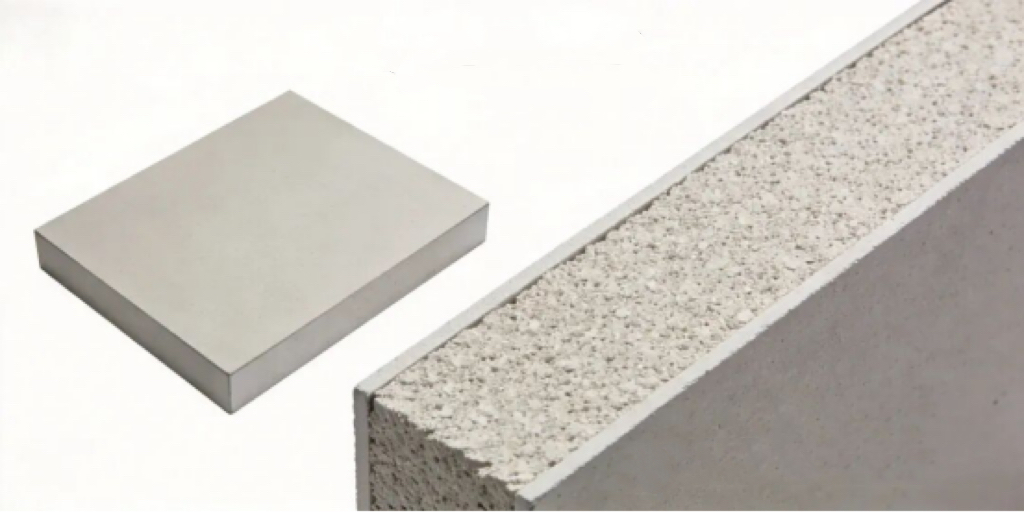
Calcium silicate insulation products are rigid insulation materials made from siliceous and calcareous raw materials via hydrothermal synthesis process.
· Thermal Conductivity: 0.056~0.065 W/m·K (at room temperature)
· Operating Temperature: Standard type ≤1000℃, high-temperature type ≤1100℃
Price Range: 800~2000 RMB/m³
Features:High compressive strength (≥0.25~0.50MPa), excellent temperature resistance, but relatively high thermal conductivity.
Application Scenarios:Insulation for high-temperature equipment such as industrial kilns, power boilers and cement kilns.
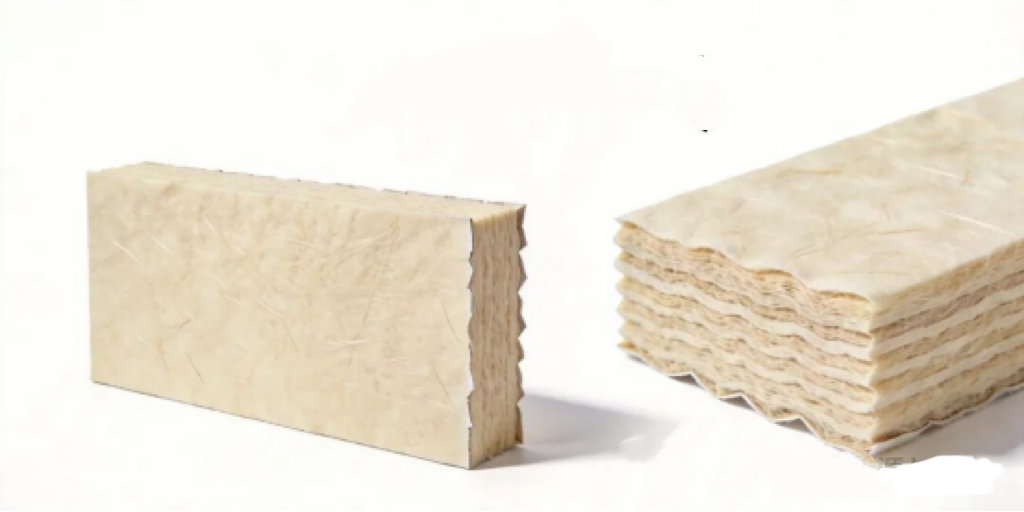
Ceramic Fiber Board, also known as Aluminum Silicate Fiber Board, is made from ceramic fiber wool via vacuum forming process.
Thermal Conductivity:
At 400℃: 0.085 W/m·K
At 800℃: 0.132 W/m·K
At 1000℃: 0.180 W/m·K
Operating Temperature: Continuous working temperature 1150℃, maximum 1260℃
Price Range: 3000~8000 RMB/m³ (imported products can exceed 10,000 RMB/m³)
Features:Ultra-high temperature resistance, low heat capacity, excellent thermal shock resistance, but high cost.
Application Scenarios:Lining of high-temperature kilns, hot air pipelines, aerospace, military and other special fields.
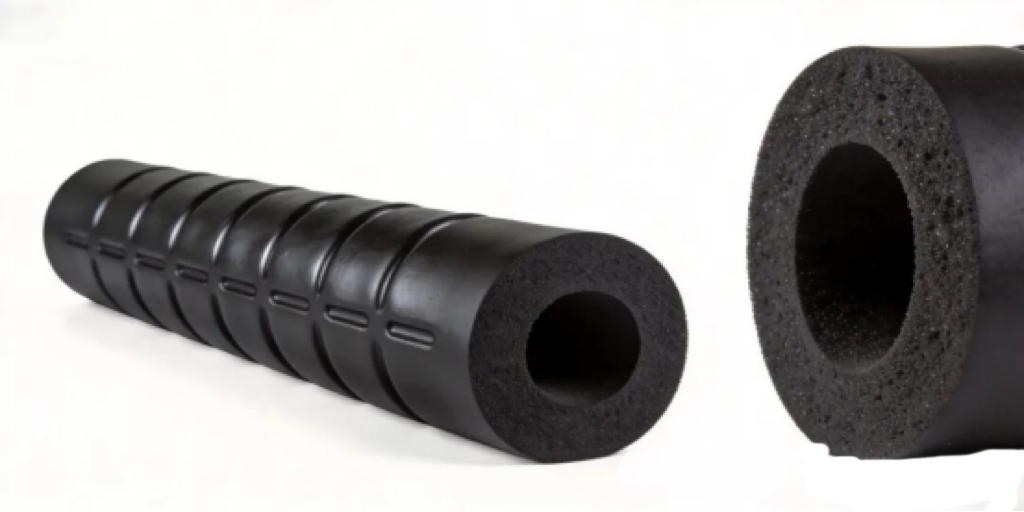
Rubber & plastic insulation is a flexible closed-cell material made from nitrile rubber (NBR) and polyvinyl chloride (PVC) as main raw materials through foaming.
· Thermal Conductivity: 0.032~0.041 W/m·K
· Operating Temperature: -50~110℃
Price Range: 800~2500 RMB/m³ (domestic); imported brands can exceed 4000 RMB/m³
Features:Closed-cell structure with excellent water resistance (vapor resistance > 10,000).However, fire performance is generally Class B1, so it is not suitable for high-temperature applications.
Application Scenarios:Insulation for air conditioning ducts, refrigerant pipelines, and domestic water supply pipelines.
2.6 Polyurethane
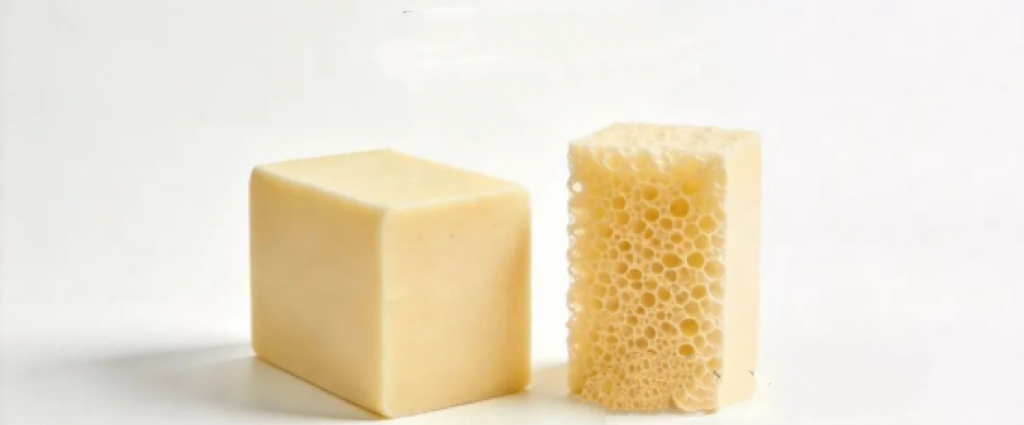
Rigid polyurethane foam is the commonly used insulation material with the lowest thermal conductivity at present.
Thermal Conductivity:
Class I (cyclopentane foaming): ≤ 0.0210 W/m·K
Class II (other blowing agents): ≤ 0.0195 W/m·K
Operating Temperature: -50 ~ 160℃
Price Range: 1500 ~ 4000 RMB/m³
Features:Lowest thermal conductivity and best thermal insulation performance, but relatively high cost and poor high-temperature resistance.
Application Scenarios:Cold storage, refrigerators, heating pipelines, LNG tanks, and other occasions requiring high-efficiency thermal insulation.
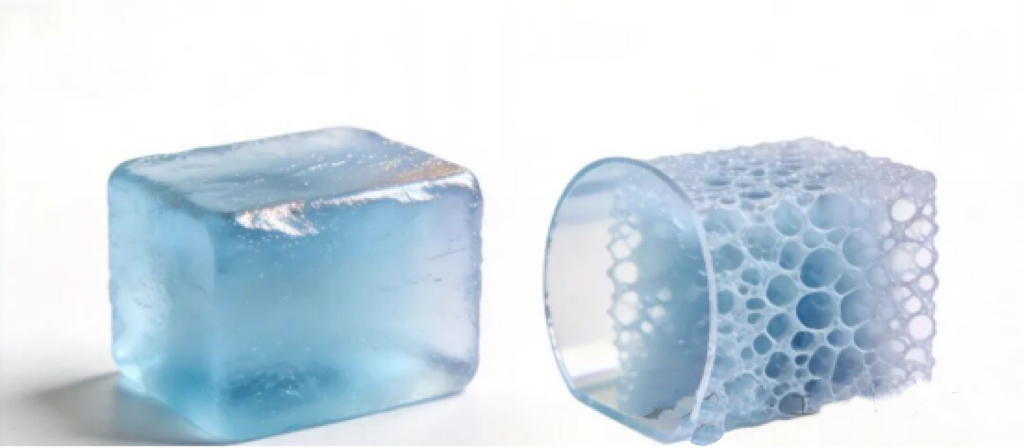
Aerogel is the solid material with the lowest known thermal conductivity available today.It is made into blanket products by combining a nanoporous structure with fiber reinforcement, and is known as a “super insulation material”.
· Thermal Conductivity:
o At 25°C: ≤ 0.020 W/(m·K)
o At 300°C: ≤ 0.040 W/(m·K) (Class A standard)
o At 500°C: ≤ 0.072 W/(m·K) (Class A standard)
o At 800°C: approx. 0.084 W/(m·K)
o At 1000°C: approx. 0.142 W/(m·K)
· Operating Temperature: -200 ~ 1000°C (special products up to 1200°C)
· Price Range
· Aerogel blanket: 200 ~ 600 RMB/m² (for thickness 3 ~ 10 mm)
· Converted to volume: approx. 40,000 ~ 80,000 RMB/m³ (depending on density and thickness)
Conversion Example:A 3 mm aerogel blanket at 260 RMB/m² equals about 87,000 RMB/m³, much higher than traditional materials.However, since thickness can be greatly reduced, projects usually compare total cost at the same insulation effect.
Key Features
· Ultra-low thermal conductivity: Insulation performance is 3–5 times that of traditional materials.
· Ultra-thin & high-efficiency: For the same insulation effect, thickness is only 1/3 to 1/5 of rock wool.
· Class A non-combustible: Fire rating A(A1).
· High water repellency: ≥ 98%, no water absorption, stable thermal conductivity over long-term use.
· Flexible & bendable: Blanket products can be wrapped around pipes.
· High cost: Initial investment is 5–10 times that of traditional materials.
· High-temperature pipelines with limited space (chemical plants, thermal power plants)
· Aerospace thermal protection
· New energy vehicle battery fireproofing & thermal insulation
· LNG tanks and cryogenic equipment
· Military, marine and other special fields
Although aerogel is 5–10 times more expensive than traditional materials, it is widely used for three key advantages:
1.Space saving
Same insulation effect, thickness is only 1/3–1/4 of rock wool.In crowded pipe racks, space equals money.
2.Weight saving
Low density, less load on supports.Significant advantages in high-rise buildings, ships and aerospace.
3.Long-term cost saving
Service life over 10 years, no performance degradation.
Example: CNPC Karamay project
o Investment: 6.06 million RMB
o Annual steam cost saving: 1.75 million RMB
o Payback period: 4.5 years
Aerogel is expensive in initial investment, but economical over its full life cycle.
Take a DN200, 1000 meter steam pipeline (operating at 250℃) as an example:
With standard rock wool (thermal conductivity 0.035 W/m·K):
Annual heat loss cost ≈ 300,000 RMB
With low quality rock wool (thermal conductivity 0.045 W/m·K):
Annual heat loss cost ≈ 380,000 RMB
Extra energy cost per year: 80,000 RMB
If you use a material not rated for high temperature:
It will fail within 6 months and need replacement.
Replacement cost (labor + materials): 150,000–200,000 RMB completely wasted.
Money saved on material selection will be doubled or tripled in heat loss costs.
IV. Quick Selection Guide: Which Insulation for Which Scenario?
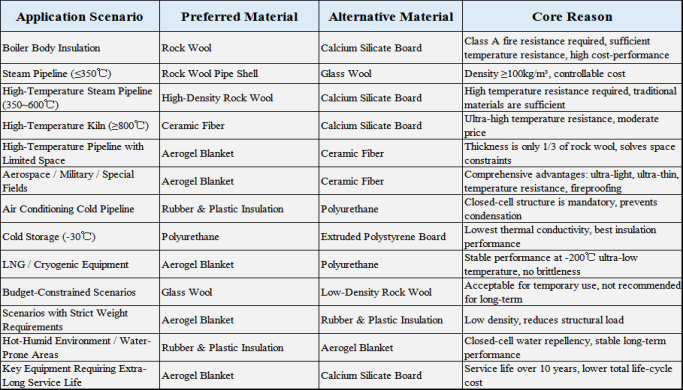
1. Check the test temperature for thermal conductivity:Different materials use different test temperatures. Always compare under unified conditions.
2. Be clear about parameters when requesting quotes:Include density, form, quantity, and whether the price is tax & freight inclusive.
3.Confirm fire resistance rating:For high-temperature applications, Class A non-combustible materials are mandatory.
4.Ensure proper moisture protection:Fiber materials experience a sharp rise in thermal conductivity after absorbing water.Reliable waterproofing and vapor barriers are essential.
· For low temperatures: use closed-cell materials.
· For high temperatures: use fiber materials.
· Lower thermal conductivity means higher price, but saves more energy.
· Always calculate full life-cycle cost, not just initial investment.
1. Before purchasing insulation, check the thermal conductivity test report — do not trust verbal promises.
2. On site, touch the pipe surface temperature — overheating means money is being wasted.
3. Share this article with your procurement and engineering colleagues — remind them:Choosing the wrong material can cost hundreds of thousands per year.
4. The overheated surface of equipment is telling you:You chose the wrong parameters.
As a professional supplier of Victor aerogel insulation materials, we are committed to providing high-quality aerogel insulation solutions. If you have any needs or questions related to insulation materials, please feel free to contact us at any time.


