

Views: 0 Author: Site Editor Publish Time: 2025-10-14 Origin: Site


The Insulation Revolution: Aerogel vs. Traditional Materials, Which is Better?
Abstract:
In today's world, where energy efficiency is paramount, choosing the right insulation material is crucial. Should you stick with proven, traditional materials or embrace aerogel, the so-called "magic material"?
This article provides a comprehensive analysis to help you make an informed decision.
When it's time to "insulate" our homes, pipes, or industrial equipment, choosing the right insulation is the first step. On the market, traditional materials like rock wool, fiberglass, and polystyrene have been used for decades. Meanwhile, aerogel, a rising star, is sparking an insulation revolution with its exceptional performance.
So, how do these two options really compare? Let's find out through a direct comparison.
Round 1: Performance Showdown
| Performance Metric | Aerogel Insulation | Traditional Insulation (e.g., Rock Wool/Polystyrene) |
| Thermal Conductivity | Extremely Low (0.015 - 0.025 W/m·K) | Higher (0.030 - 0.045 W/m·K) |
| Insulation Efficiency | ★★★★★ | ★★★☆☆ |
| Thickness / Space Occupied | Very Thin(1/3 - 1/5 the thickness for same performance) | Thicker |
| Hydrophobicity | Excellent (>99% water repellent, does not absorb water) | Average(Performance plummets when wet) |
| Fire Rating | A1 / Non-combustible | Rock Wool is A-grade, Polystyrene is often B-grade/Combustible |
| Service Life | Very Long (20+ years, stable performance) | Long(But prone to sagging, moisture absorption, performance degrades) |
| Ease of Installation | Easy to cut and wrap | Can require multiple layers, dusty installation |
Round 2: Application & Space Saving
"Thinner, yet more powerful"is one of aerogel's most significant advantages.
Traditional Materials: Often require very thick layers to achieve ideal insulation. This is a major challenge in space-limited applications like interior walls, ship cabins, or urban utility tunnels.
Aerogel: Due to its extremely low thermal conductivity, a thin layer can match or even surpass the performance of a much thicker traditional layer.
Round 3: Long-Term Durability & Hydrophobicity
Once insulation gets wet, its performance drops drastically, and the moisture can corrode pipes and equipment.
Traditional Materials: Fibrous materials like rock wool and fiberglass are prone to moisture absorption. If soaked, they often need replacement.
Aerogel: Its three-dimensional nanoporous structure makes it inherently hydrophobic. Water beads up on its surface like on a lotus leaf and cannot penetrate.
This "water-resistant" property significantly extends the material's service life in humid environments (e.g., underground pipelines, outdoor equipment), reducing maintenance costs.
Round 4: The Inevitable Topic - Cost
We must acknowledge that aerogel's **initial purchase cost** is significantly higher than that of traditional insulation. This is currently the main factor limiting its widespread civilian use.
However, it's essential to view this through the lens of "Total Cost of Ownership":
Traditional Materials: Low initial cost, but potential performance degradation from moisture absorption or sagging may lead to earlier replacement or extra maintenance, increasing long-term costs.
Aerogel:High initial investment, but due to its long service life, stable performance, and low maintenance needs, its overall cost over the entire lifecycle can be more advantageous. This is especially true for industrial projects and high-end buildings that prioritize long-term operational benefits.
Summary & Selection Guide
| Feature | Aerogel | Traditional Insulation |
| Core Advantage | Superior insulation, ultra-thin & lightweight, hydrophobic, fireproof, long-lasting | Mature technology, low cost, widely applicable |
| Best For | Space-constrained areas, high-end construction, industrial energy saving, new energy, aerospace | Standard residential buildings, general industrial insulation where cost and space are not primary concerns |
| Choosing Factor | Prioritize long-term value, peak performance, and space saving | Focus on controlling upfront budget and meeting basic insulation needs |
Conclusion:
Aerogel isn't meant to completely replace traditional insulation but offers a more efficient and advanced solution for the market. It represents the future direction of insulation technology.
If you seek top-tier energy efficiency, a very long service life, and your budget allows for it, then aerogel is undoubtedly the best choice.
If your project has a limited budget and no strict requirements on insulation thickness, traditional materials remain a reliable and economical option.
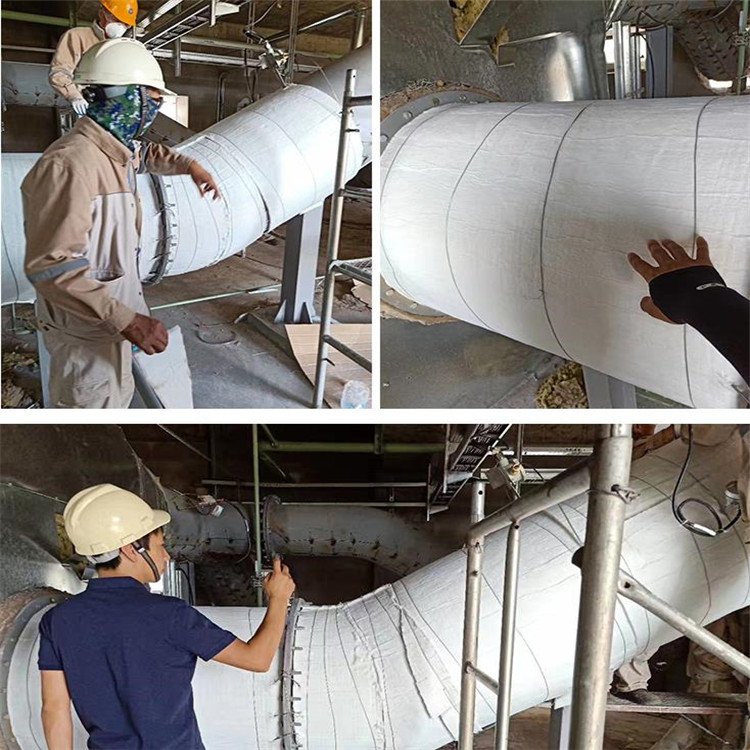
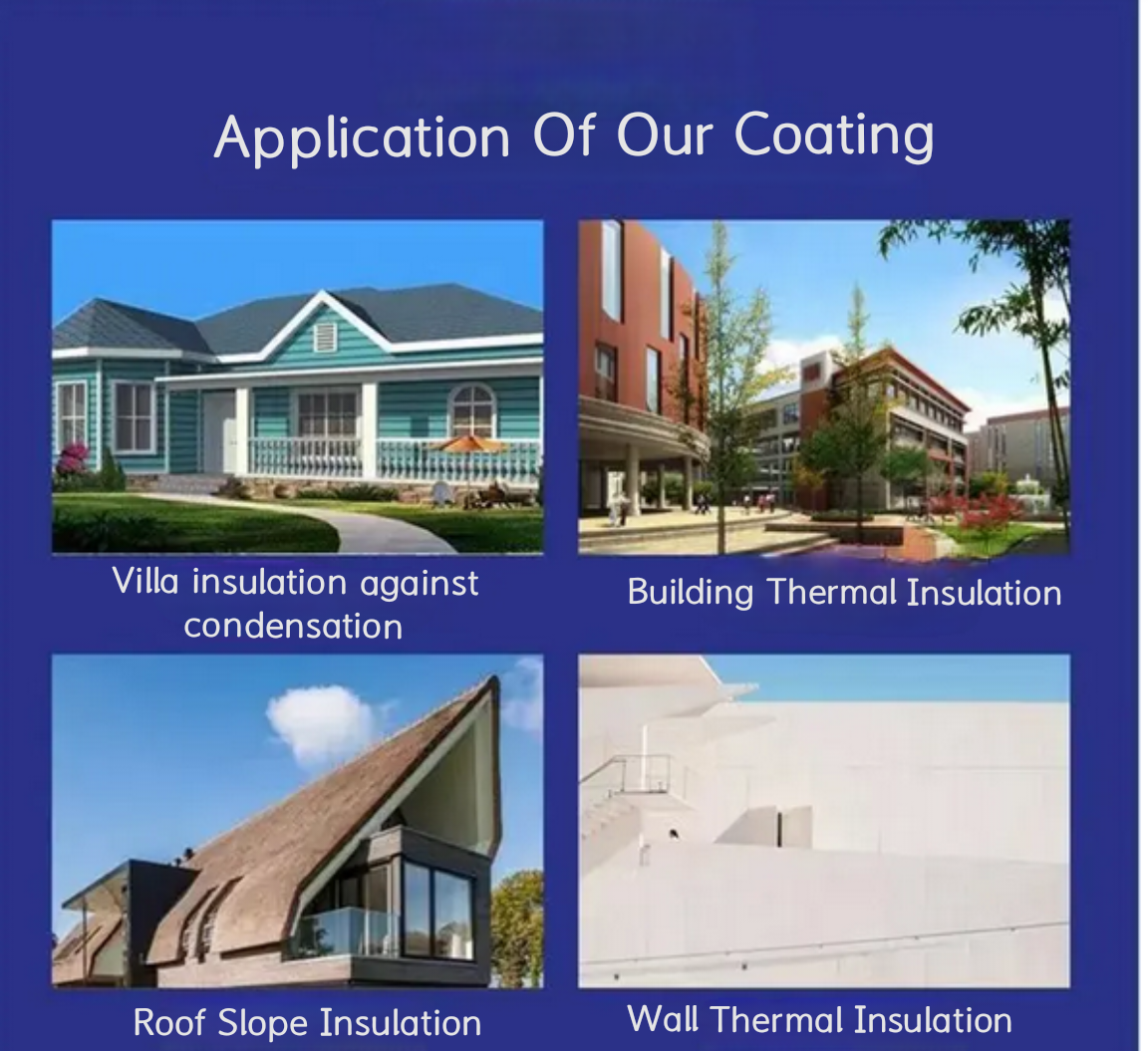
Real-World Application Photos:
1. Aerogel blanket being installed on industrial piping
2.Aerogel boards used for building exterior wall insulation:
Technological advancements are gradually reducing the cost of aerogel. It's believed that in the near future, this "magic material" will find its way into more everyday applications, making a greater contribution to global energy saving and emission reduction efforts.
We hope this comparison helps you gain a deeper understanding of the world of insulation materials. If you have any questions, please feel free to leave a comment on our website or contact us for professional advice!
https://www.victoraerogel.com


